Lesson 1
The Congo Free State, Colonialism, and a History Worth Remembering
LESSON OVERVIEW
The history of the Congo Free State offers an opportunity to examine colonialism, economic exploitation, resistance, and the ways historical narratives are remembered—or forgotten.
This course explores the period of King Leopold II's control over the Congo Free State and the devastating system of forced labor created around the extraction of rubber. It also examines the role of Henry Shelton Sanford, an American diplomat and the founder of the Florida city of Sanford, in supporting Leopold's project.

WHAT YOU'LL EXPLORE
By the end of this course, learners will have an opportunity to:
Understand the historical context of the Congo Free State.
Explore the relationship between European colonialism and the extraction of African resources.
Learn about the roles of King Leopold II and Henry Shelton Sanford.
Learn about African and international figures who documented and challenged abuses in the Congo.
Consider how museums, historical artifacts, and cultural objects shape our understanding of the past.
The Congo Free State
In the late nineteenth century, European powers were rapidly expanding their control over Africa.
At the Berlin Conference of 1884–1885, European nations established rules governing their claims to African territory. African leaders were not represented at the conference.
The Congo became one of the most consequential examples of European colonial expansion.
Rather than becoming an ordinary European colony, the Congo Free State became the personal possession of King Leopold II of Belgium.
Leopold presented his project as a humanitarian effort intended to bring Christianity, commerce, civilization, and an end to slavery to Central Africa. The reality was very different.
The territory's natural resources—and the labor of its people—became the foundation of an enormous system of exploitation.
Rubber, Wealth, and Forced Labor
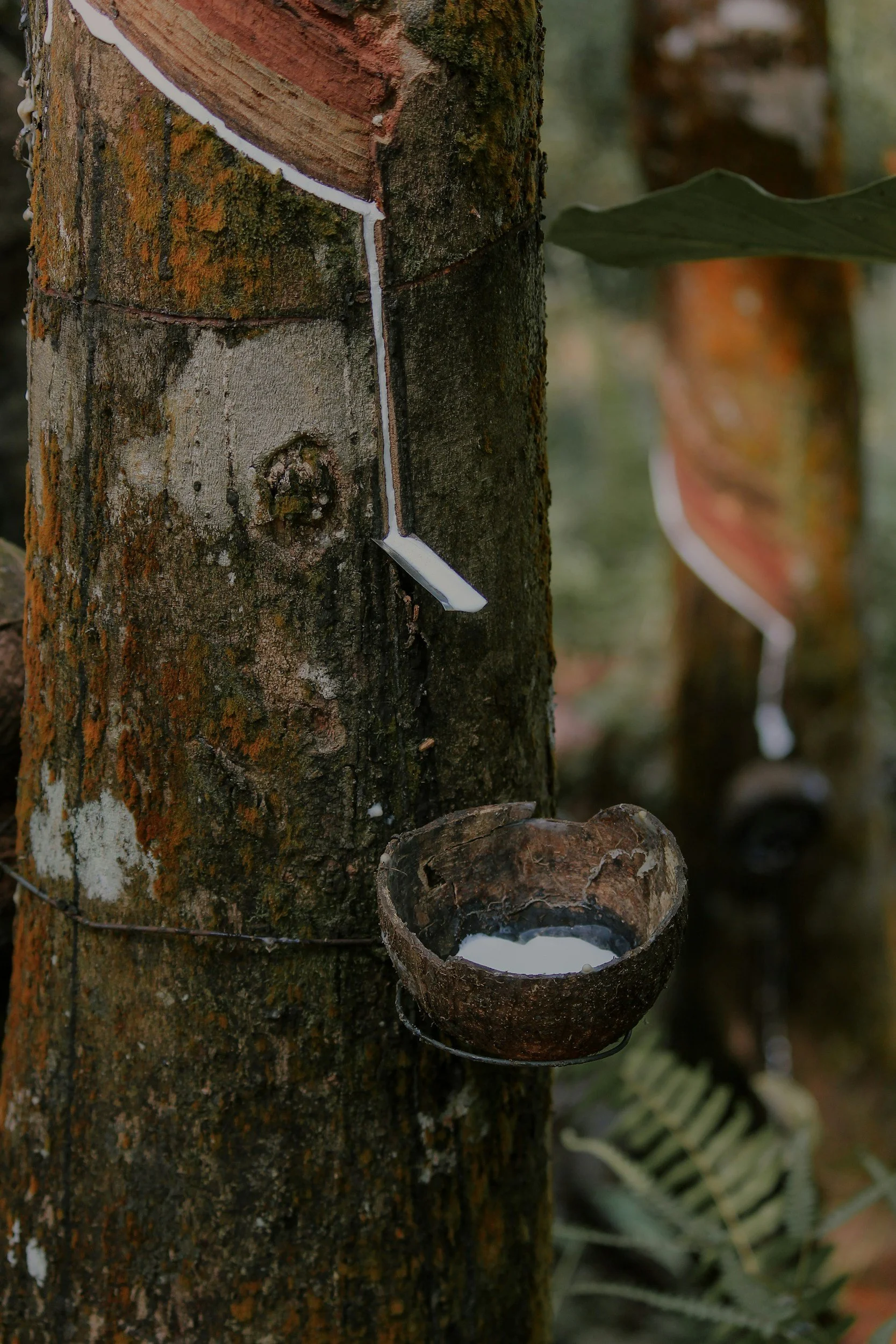
The Congo contained enormous quantities of rubber.
As global demand for rubber increased with the growth of bicycles, automobiles, and other industries, Leopold's administration demanded increasingly large quantities from the Congolese population.
Congolese people were forced to collect rubber under brutal conditions. Those who failed to meet quotas could face severe punishment, including beatings with the chicotte, a whip made from hardened hippopotamus hide.
Leopold's Force Publique, the colonial army, enforced the system through violence. The goal was the extraction of wealth.
Millions of Congolese people died during the period of Leopold's rule as a result of violence, forced labor, starvation, disease, displacement, and the destruction of communities. The exact death toll remains uncertain because reliable population records from the period do not exist.
The Sanford Connection
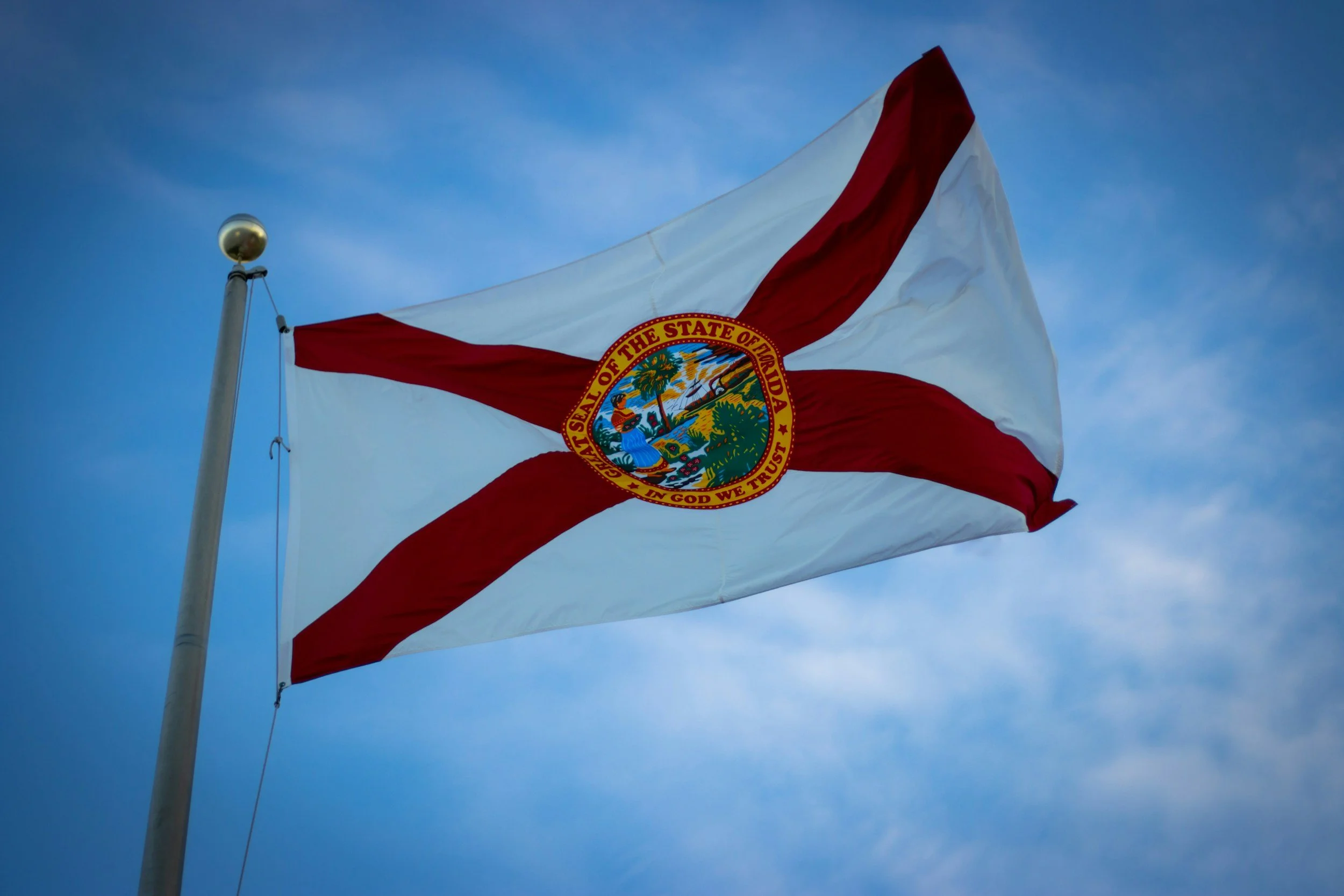
This history is meaningful because of the connection between the Congo Free State and Henry Shelton Sanford, the founder of Sanford, Florida.
Sanford was a former U.S. diplomat to Belgium and a supporter of King Leopold II's efforts in the Congo.
He used his diplomatic relationships and political influence to help promote Leopold's project and its stated humanitarian goals.
Events that took place thousands of miles away can have connections to the communities where we live today.
The history of the Congo Free State is therefore not simply a story about Africa or Europe.
It is also part of a larger history involving America, international diplomacy, global commerce, and the African Diaspora.
A History Worth Remembering
African American observers and leaders, including George Washington Williams and William Henry Sheppard, documented and condemned abuses in the Congo.
European investigators and activists, including E.D. Morel and Roger Casement, also helped bring international attention to what was happening.
Their efforts contributed to growing international pressure on Leopold's government. In 1908, Leopold surrendered control of the Congo Free State to the Belgian government.
The history of the Congo Free State raises questions that remain important today:
What happens when economic interests become more important than human lives?
How does colonialism shape the histories of nations and communities?
Whose stories are included in the histories we teach?
What can we learn when we look more closely at the connections between local and global history?
The people of the Congo were never simply sources of rubber, ivory, labor, or wealth.
They were people with families, cultures, languages, communities, traditions, beliefs, and histories that existed long before colonialism.