Family Heritage & Identity Development Project
THE 6 LESSONS
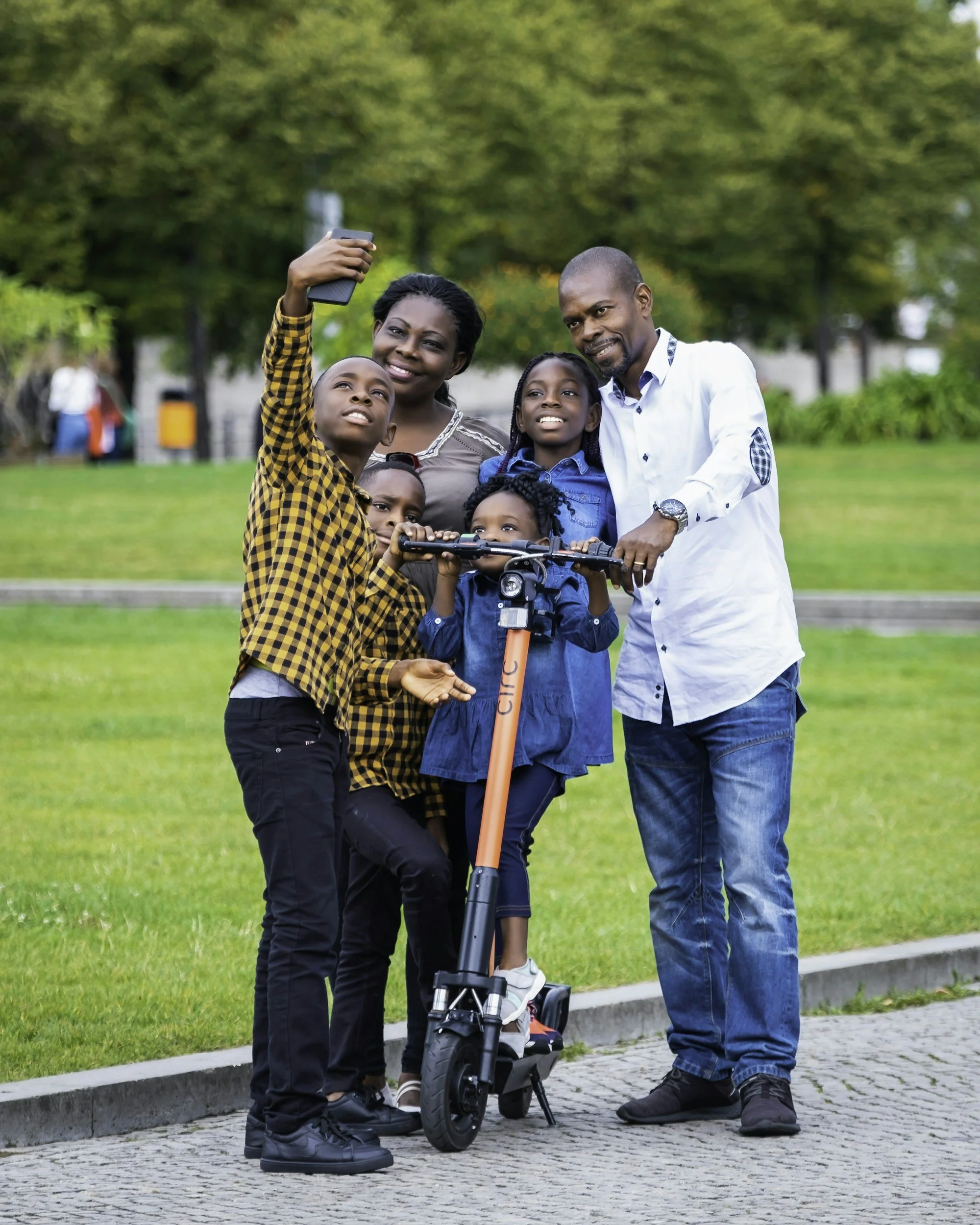
Through six historical lessons, family research, discussion, and reflection, students are encouraged to ask questions about where they come from, how history has shaped their families, and how they can carry that history forward.
The project connects history, identity, family, and community—helping students recognize that their own stories are part of a much larger history.
Knowing our history strengthens our identity. Strengthening our identity transforms our future.
The RootWorks Family Heritage and Identity Development Project helps young people explore their family histories within the broader story of Black history.
-
Students begin by exploring Africa before slavery, the Middle Passage, and the institution of slavery in America.
The lesson considers how slavery disrupted Black families and identities while also highlighting the resilience of African people.
Students begin asking:
What impact might slavery and oppression have had on my family?
They also begin researching their family names and considering the importance of family history.
-
Students explore the impact of negative stereotypes and the importance of developing a positive sense of identity through historical understanding, self-love, and cultural pride.
The lesson also examines the role of faith and spirituality during slavery.
Students begin building family trees by documenting parents, grandparents, and great-grandparents.
-
Students explore major events and people connected to freedom and the transformation of Black life in America, including:
The Haitian Revolution
Toussaint Louverture
The Civil War
Emancipation
Reconstruction
Students also begin preparing to interview parents, grandparents, and other elders to preserve family stories and traditions.
-
Students examine the period following Reconstruction, including the era often referred to as the Nadir.
Topics include:
Jim Crow laws
W.E.B. Du Bois
Booker T. Washington
Black churches and civic organizations
Students explore how Black communities continued to build schools, businesses, churches, and institutions despite significant challenges.
-
Students explore the:
Great Migration
Civil Rights Movement
Black Power Movement
They also begin connecting national history to their own family stories through family interviews and family history timelines.
History becomes personal as students consider how larger events may have shaped the lives of their own relatives.
-
The final lesson brings the journey into the present.
Students explore:
Integration
Thriving Black middle-class communities
Contemporary achievements of African Americans
The Black Lives Matter movement
The lesson asks students to reflect on the opportunities created by previous generations—and the responsibility each generation has to strengthen the communities that come after them.